Android 18
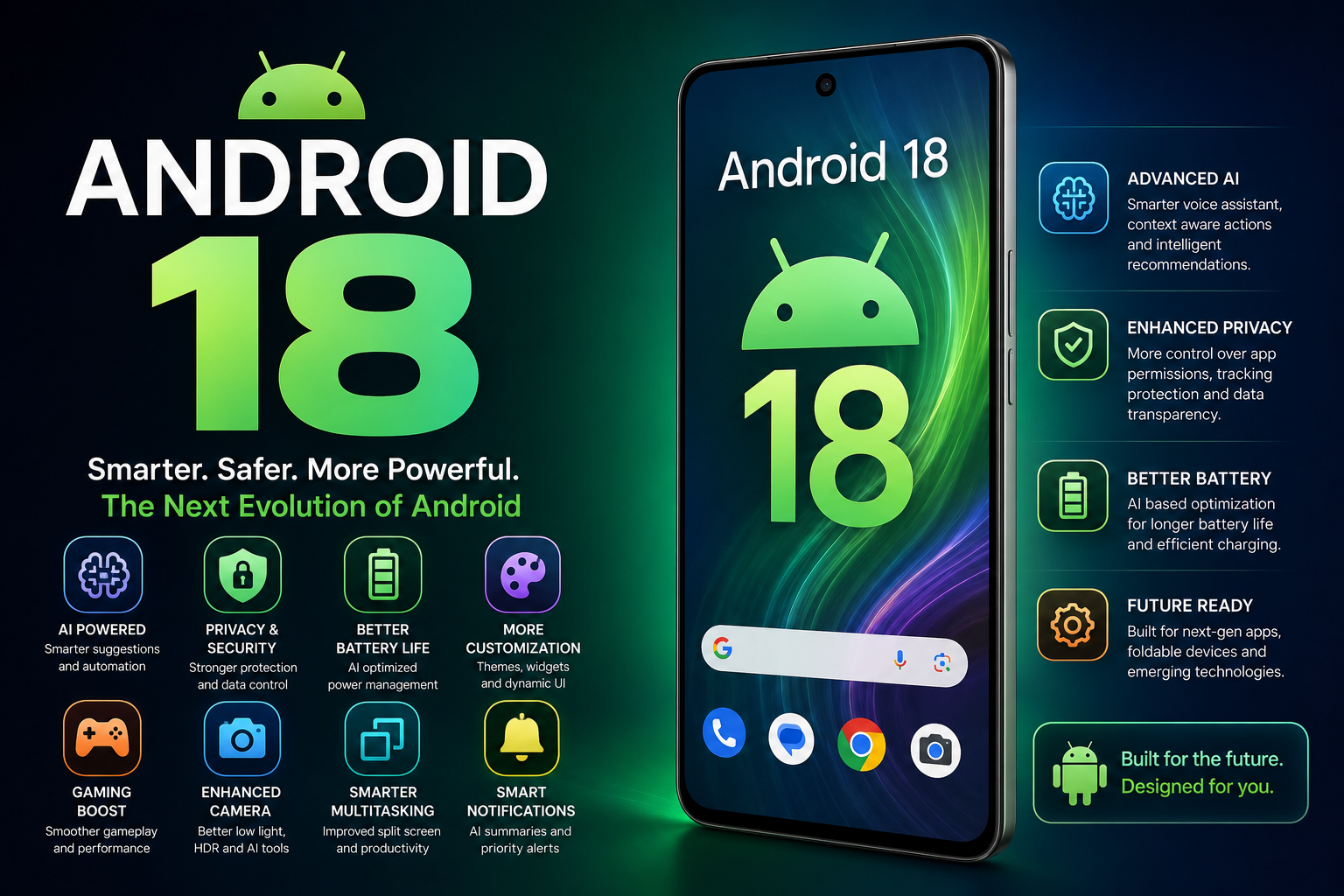
The Android 18 ecosystem continues to evolve rapidly, bringing smarter features, stronger security, and better performance to billions of users worldwide. As smartphone technology advances, expectations for the next major software release are already growing.
Google has consistently focused on improving user experience through artificial intelligence, enhanced privacy protections, and deeper integration across devices. The upcoming generation of Android is expected to continue this trend while introducing new capabilities designed for modern smartphone users.
This guide explores everything currently known and expected about Android 18, including potential features, compatibility, AI enhancements, battery improvements, and its impact on the future of mobile technology.
The Evolution of Android
Over the years, Android has transformed from a basic smartphone operating system into a powerful platform that supports advanced applications, cloud services, AI tools, gaming experiences, and productivity solutions.
Recent Android versions have introduced:
- Improved security
- Better battery optimization
- Smarter notifications
- Enhanced personalization
- Advanced AI capabilities
The next generation is expected to build upon these foundations.
Expected Release Timeline
Google typically follows a structured release process for major Android updates.
The development cycle usually includes:
Developer Preview
Early builds allow developers to test applications and prepare for future changes.
Beta Program
Public beta releases give users early access to upcoming features.
Stable Version
The final release becomes available for supported devices worldwide.
Google Pixel devices generally receive updates first, followed by manufacturers such as Samsung, Xiaomi, OnePlus, Oppo, and Vivo.
Artificial Intelligence Takes Center Stage
Artificial intelligence is expected to play a larger role than ever before.
Future AI capabilities may include:
- Personalized recommendations
- Smarter search experiences
- Context-aware assistance
- Better voice interactions
- Intelligent automation
These tools can help users complete daily tasks more efficiently.
Enhanced User Experience
Google continues to focus on creating a smoother and more intuitive experience.
Potential improvements include:
Better Navigation
Users may see refinements to gestures, menus, and interface interactions.
Faster Performance
System-level optimizations could improve responsiveness and app loading times.
Improved Multitasking
Managing multiple applications may become even more efficient.
These updates help create a seamless smartphone experience.
Advanced Privacy Features
Privacy remains one of the most important concerns for smartphone users.
Future improvements may include:
- More detailed permission controls
- Better tracking protection
- Enhanced app transparency
- Stronger data security
Users are increasingly demanding greater control over their personal information, making privacy enhancements a key area of focus.
Security Enhancements
Cybersecurity threats continue to evolve.
Expected security improvements may include:
- Advanced malware detection
- Improved biometric protection
- Stronger account security
- Faster security updates
These measures help protect users against emerging digital threats.
Better Battery Management
Battery life remains a top priority for smartphone owners.
Potential improvements include:
AI-Based Optimization
Machine learning may help identify and reduce unnecessary power consumption.
Smarter Background Activity
Applications running in the background could become more energy efficient.
Improved Charging Features
New charging optimizations may help extend battery lifespan.
These changes can contribute to longer-lasting devices.
Camera and Photography Improvements
Smartphone photography continues to advance each year.
Future enhancements could include:
- Better image processing
- Enhanced night photography
- Improved portrait effects
- Faster editing tools
- AI-assisted photography
These features help users capture professional-looking photos with minimal effort.
More Customization Options
One reason Android remains popular is its flexibility.
Potential personalization features may include:
- New themes
- Enhanced widgets
- Dynamic lock screens
- Expanded color customization
- Personalized layouts
Users enjoy having greater control over the appearance of their devices.
Improved Gaming Experience
Mobile gaming has become a major part of the smartphone industry.
Future gaming enhancements may include:
- Better graphics performance
- Reduced latency
- Improved frame stability
- Smarter resource management
These improvements could create a more enjoyable experience for gamers.
Smarter Notifications
Managing notifications efficiently can significantly improve productivity.
Expected upgrades may include:
- AI-powered notification summaries
- Better prioritization
- Reduced distractions
- Improved organization
Users can focus on important alerts while minimizing unnecessary interruptions.
Support for Foldable Devices
Foldable smartphones continue to gain popularity.
Future software enhancements may focus on:
- Better multitasking
- Improved screen transitions
- Optimized layouts
- Enhanced app compatibility
These updates help unlock the full potential of foldable technology.
Productivity Improvements
Modern smartphones are often used as productivity tools.
Potential enhancements include:
- Better note-taking
- Improved file management
- Smarter scheduling
- Enhanced collaboration tools
Students and professionals can benefit from these productivity-focused updates.
Device Compatibility
Official compatibility information will likely be announced closer to release.
Support is expected for many modern devices from:
- Google Pixel
- Samsung Galaxy
- OnePlus
- Xiaomi
- Oppo
- Vivo
- Motorola
The final list will depend on manufacturer update policies.
Impact on Everyday Users
For most people, software updates are valuable when they improve daily experiences.
Expected benefits include:
- Faster performance
- Better battery life
- Stronger security
- Enhanced privacy
- Smarter AI tools
These improvements can make smartphones more useful and enjoyable.
Future of Mobile Operating Systems
The future of smartphone software is increasingly connected to artificial intelligence.
Key trends include:
- Personalized experiences
- Context-aware computing
- Intelligent automation
- Cross-device integration
- Enhanced digital assistants
Google continues to invest heavily in these technologies, suggesting that future Android releases will become even more intelligent.
Frequently Asked Questions
What is Android 18?
It is expected to be Google’s next major mobile operating system update, focusing on AI, privacy, performance, and user experience.
When will it be released?
Google typically announces major updates through developer previews, beta programs, and stable public releases.
Which devices may support it?
Many modern smartphones from major manufacturers are expected to receive the update.
Will battery life improve?
Future software optimizations are expected to help improve power efficiency.
Is it worth upgrading?
Users interested in better security, smarter features, and improved performance will likely benefit from upgrading.
Conclusion
Android 18 is expected to continue Google’s mission of creating smarter, safer, and more efficient mobile experiences. With anticipated improvements in artificial intelligence, security, battery optimization, productivity, and personalization, the next generation of Android could deliver meaningful upgrades for users around the world.
As mobile technology continues to evolve, future software innovations will play a crucial role in shaping how people communicate, work, learn, and interact with their devices. The coming update represents another important step toward a more intelligent and connected digital future.
About the Author