shotscribus software upgrade
Keeping software up to date is one of the easiest ways to improve performance, enhance security, and access new features. Whether you use software for personal tasks or professional work, regular upgrades help ensure that your applications continue to run efficiently and remain compatible with modern operating systems shotscribus software upgrade.
Many users search for ShotScribus software upgrade because they want to understand how to install the latest version, avoid common update problems, and improve overall software performance. However, publicly available technical documentation about ShotScribus is currently very limited. Because of this, it is important to follow safe upgrade practices and rely on official documentation whenever software-specific instructions are available.
This guide explains the general upgrade process, preparation steps, troubleshooting methods, and best practices that can help users perform software upgrades safely and efficiently.
What Is a Software Upgrade?
A software upgrade is the process of replacing an older version of an application with a newer release that includes improvements, bug fixes, security patches, and sometimes completely new features.
Unlike small updates, upgrades may introduce significant changes to performance, compatibility, or the user interface.
Software developers regularly release upgrades to:
- Improve security
- Fix known bugs
- Increase stability
- Add new functionality
- Improve compatibility with modern operating systems
- Enhance user experience
Why Upgrade ShotScribus Software?
Although the exact feature list depends on the software developer, upgrading software generally provides several important benefits.
Better Performance
New versions often include performance improvements that allow software to run faster and more efficiently.
Improved Security
Cybersecurity threats continue evolving every year.
Software upgrades usually contain security patches that protect users from newly discovered vulnerabilities.
Bug Fixes
Older versions sometimes contain unexpected issues that can affect productivity.
Software upgrades often resolve these problems.
New Features
Developers regularly introduce new tools, workflow improvements, and interface enhancements.
Better Compatibility
Modern operating systems frequently require updated software versions to function correctly.
Preparing Before Upgrading
Preparation is one of the most important parts of any software upgrade.
Create a Backup
Before upgrading, create a backup of:
- Important documents
- Configuration files
- User preferences
- Project files
- Databases (if applicable)
Having a backup ensures that valuable information can be restored if something goes wrong.
Check System Requirements
Verify that your computer meets the minimum hardware requirements.
Typical requirements include:
- Supported operating system
- Sufficient RAM
- Available storage space
- Stable internet connection
- Administrator permissions
Close Running Programs
Close unnecessary applications before beginning the upgrade.
This reduces the possibility of installation conflicts.
Disable Background Tasks
Some antivirus or background utilities may temporarily interfere with software installation.
If appropriate, pause them briefly during installation and re-enable them afterward.
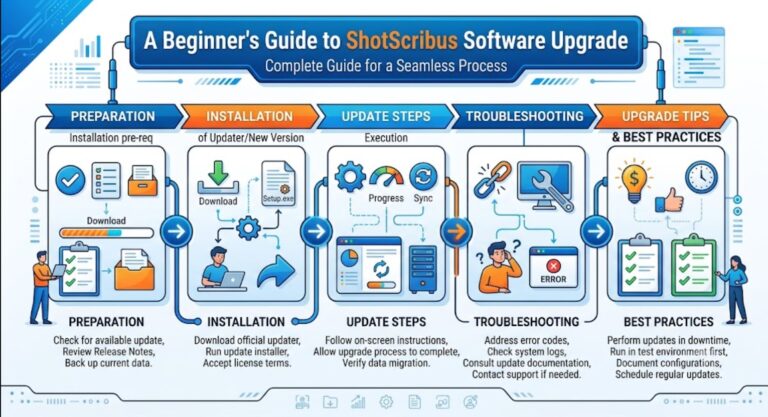
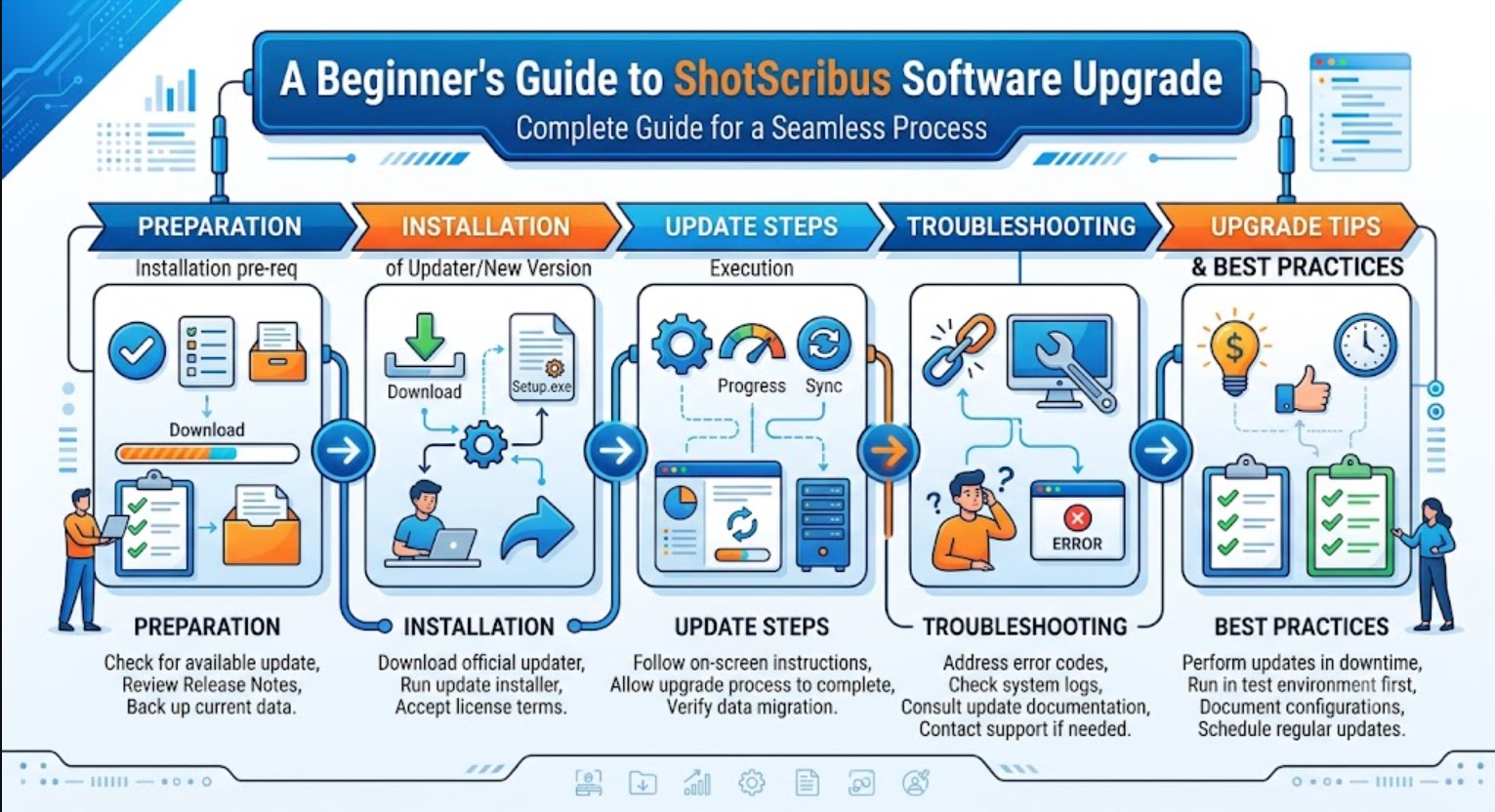
How to Upgrade ShotScribus Software
Although individual software may differ, the upgrade process usually follows these steps.
Step 1: Download the Latest Version
Always obtain installation files from the official developer or an authorized distributor.
Avoid downloading installers from unknown websites.
Step 2: Verify the Installer
Check the file version and ensure it matches the latest available release.
If digital signatures or checksums are provided, verify them before installation.
Step 3: Launch the Installer
Run the installer with administrator privileges if required.
Follow the installation wizard.
Step 4: Choose Upgrade Option
If an existing installation is detected, select the Upgrade option rather than performing a fresh installation unless recommended by the developer.
Step 5: Complete Installation
Wait for the installation to finish without interrupting the process.
Restart your computer if requested.
Verifying the Upgrade
After installation:
- Open the software.
- Confirm the version number.
- Check that existing projects open correctly.
- Verify settings and preferences.
- Test key functions.
If everything works correctly, the upgrade was successful.
Common Upgrade Problems
Even well-designed software upgrades sometimes encounter issues.
Common examples include:
Installation Failure
Possible causes:
- Insufficient permissions
- Damaged installer
- Low disk space
- Unsupported operating system
Missing Files
Occasionally, project files may not appear after upgrading.
Always restore from backup if necessary.
Performance Problems
Older hardware may struggle with newer software versions.
Updating drivers often helps improve performance.
Compatibility Issues
Plugins or third-party tools may require updates after the upgrade.
Troubleshooting Tips
If problems occur after upgrading:
- Restart the computer.
- Reinstall the application.
- Check available storage.
- Update system drivers.
- Install operating system updates.
- Restore backup files if required.
- Review official documentation for product-specific instructions.
Best Practices
To maintain software reliability:
- Install updates regularly.
- Create backups before every major upgrade.
- Keep the operating system updated.
- Use licensed software.
- Download installers only from trusted sources.
- Maintain enough free storage space.
Frequently Asked Questions
Is upgrading software necessary?
Yes. Upgrades often improve security, stability, and compatibility.
Can I lose my files during an upgrade?
Most upgrades preserve existing data, but creating a backup beforehand is strongly recommended.
How often should software be upgraded?
Install important security updates as soon as they become available and major upgrades whenever they are officially recommended.
Conclusion
Keeping software updated is an important part of maintaining a secure and efficient computer. Although verified public information about ShotScribus software is currently limited, following standard software upgrade practices can help users perform upgrades safely and avoid common installation problems.
Always download installers from official sources, create backups before upgrading, and consult official documentation whenever software-specific instructions are available. By following these best practices, users can improve performance, enhance security, and enjoy a smoother computing experience.
About the Author